
How to Spot Fake IGET Products in Australia
Short answer
No single clue proves an IGET device is fake. Check the packaging, the security code (where the brand provides one), whether the model and flavour match your order, the seller behind it and the finish of the device. If several of those feel wrong at once, treat the product as suspicious and keep the evidence.
This guide is for people in Australia comparing IGET listings online. It isn't legal advice. For everyday buying, the practical questions are simple: can you trace what you're buying, does it match the listing, and will the seller help if something is off?
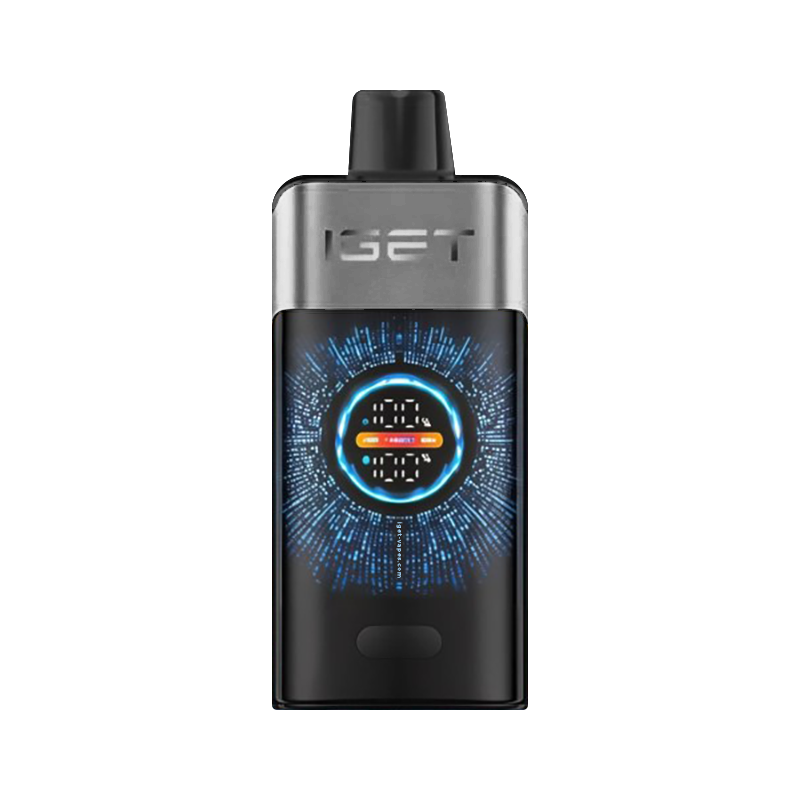
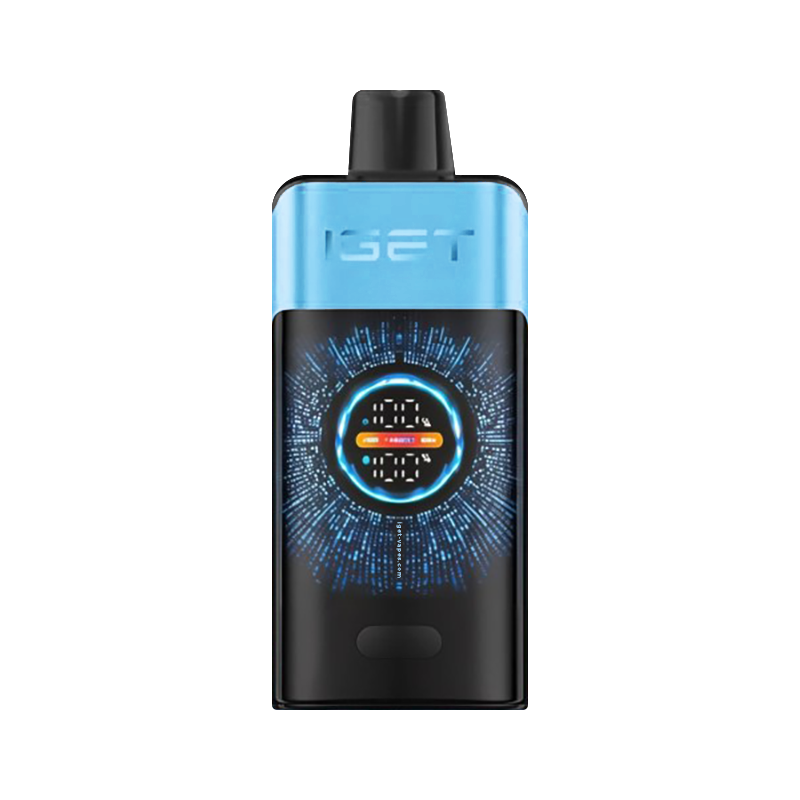
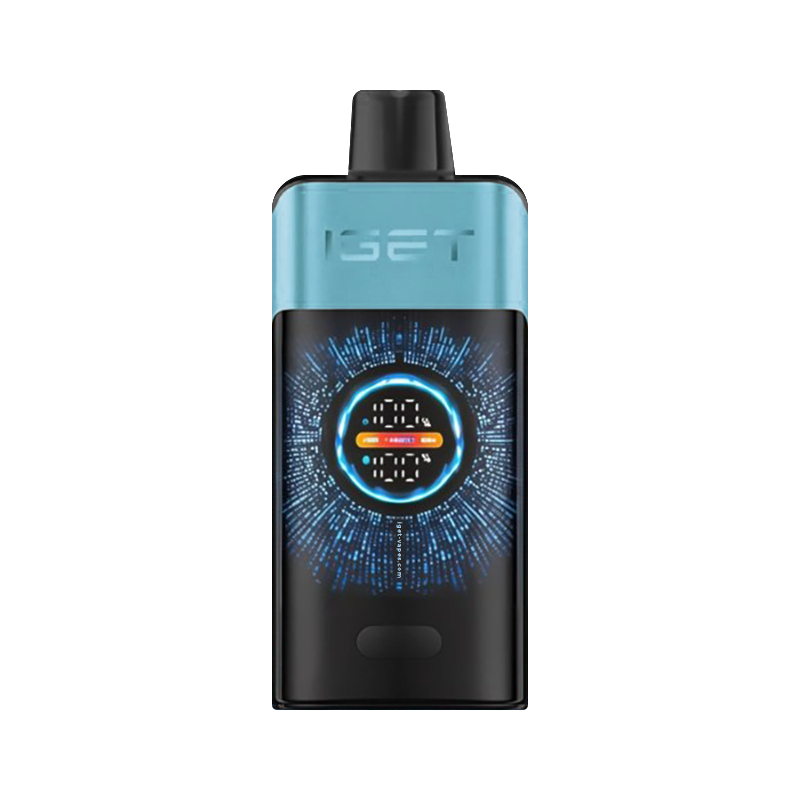
If you'd like to compare what we carry, see the current IGET One and IGET Bar Pro ranges, then use the checks below.
1. Check the packaging before opening it
Packaging is the first place to look. A genuine IGET box should have clean print, aligned panels, consistent colours and clear model information. Copies often get the front right but miss smaller details on the sides and back.
- Misspelt flavour names or awkward wording
- Fuzzy logos, low-resolution print or washed-out colours
- A box that doesn't match the advertised model
- Broken wrap, damaged seals or signs the box has been opened
- A missing code area where that model normally has one
Turn the box over and check the model name, puff rating, flavour and any printed code, not just the front panel.
2. Use the security code if there is one
Where the brand provides a security code (often a QR code or scratch panel), you can check it on the brand's official website. Do this before you use the device.
Be wary if:
- The QR code opens a shortened or unfamiliar link instead of the brand's own site.
- The check page looks unrelated to the brand or asks for unnecessary personal details.
- The result says the code has already been checked many times.
- The code fails and the seller can't explain why.
A code check is useful but not perfect, because copied packaging can imitate codes or point to look-alike pages. Type the brand's web address yourself rather than trusting a printed link, and treat the result as one signal alongside the others.
3. Match the model, puff rating and flavour
A common problem is simply getting a different product to the one you ordered. The box, the device and the listing should all describe the same thing:
- Brand and model (for example, IGET One or IGET Bar Pro)
- Puff rating (IGET One is rated up to 12,000 puffs and Bar Pro up to 10,000; these are the manufacturer's "up to" figures and real use varies)
- Flavour name and device colour
If you ordered an IGET One and receive a different shape, an older model or a box with a different rating, pause and contact the seller before using it.
4. Check the seller, not just the product
The seller is part of the authenticity check. Even a convincing box is risky if you can't trace where it came from. Look for a real website with product pages, an order confirmation with an order number, tracked delivery and a clear help process for damaged, wrong or missing items.
Red flags include no tracking, no way to reach anyone after you pay, product photos that keep changing, vague product names, or a seller who won't answer basic questions about the model.
5. Treat a very low price as a warning sign
A lower price isn't automatically a fake, but a price far below comparable Australian listings with no clear reason deserves a second look. Watch for sellers who avoid clear packaging photos or can't name the exact model. Price alone proves nothing either way; judge it together with the seller and the product details.
6. Inspect the device
Once the box is open, you're not running a lab test, just checking obvious quality and identity signals: a clear printed flavour label, a well-fitted mouthpiece, clean seams and edges, a colour that matches the box, and a label that doesn't rub off unusually easily.
7. Keep evidence if something seems wrong
Don't throw the box away before you've raised the issue. Save photos of the front, back and sides of the box, a close-up of any code area, the device label, the listing, your order confirmation, the tracking number and any code check result.
Good sign or red flag?
| Check | Good sign | Red flag |
|---|---|---|
| Packaging | Sealed, sharp print, matches the listing | Blurry logo, spelling mistakes, broken seal |
| Security code | Checks out on the brand's official website | Fails, unfamiliar link, checked many times before |
| Product match | Model, rating and flavour all line up | Box, device and listing don't match |
| Seller | Order number, tracking, clear help process | No tracking, no way to get help after paying |
| Device | Clean seams, clear label | Rough finish, loose parts, label rubs off |
How we handle this at AU Flavor
Every device we send ships sealed in its original brand packaging, from Sydney via Australia Post in plain, discreet packaging, with a tracking number sent by email. Where the brand provides a security code, you can check it on the brand's official website. If anything doesn't look right, or an item arrives damaged, missing or wrong, message us on WhatsApp with your order number and photos. Our team is available Monday to Sunday, 10am to midnight Sydney time, and you can read more on our help page.
FAQ
How can I tell if my IGET device is fake?
Check the packaging, security code, model match, seller and device finish together. One odd detail may be a printing quirk; several together are a red flag.
What should I do if the security code fails?
Don't use the device yet. Take screenshots and photos of the packaging, keep your order record and contact the seller. If they can't explain it, treat the product as suspicious.
Can counterfeit packaging copy a real code?
It can. That's why the code check should sit alongside the packaging, seller and model checks rather than being the only proof.
Where can I see the IGET flavours you sell?
See the current range on the IGET One and IGET Bar Pro pages, or browse all flavours.